
Call For A Consultation
949-388-3654
Understanding Insubordinate Conduct Under UCMJ Article 91

UCMJ Article 91 addresses insubordinate conduct specifically aimed at mid-level leadership like warrant officers, petty officers, and NCOs. Violations can include striking or assaulting a superior, willful or intentional disobedience of a lawful order, or showing disrespect or contempt through verbal language or deportment. These actions can lead to charges and potential court-martial.
As any service member knows, respect for authority is essential for maintaining order within the military. Article 91 of the Uniform Code of Military Justice (UCMJ), which discusses insubordinate conduct, helps codify this respect. Being charged with insubordinate conduct can be overwhelming, leaving you with stress over the potential penalties. Understanding insubordinate conduct under UCMJ Article 91 can help you navigate these charges.
Understanding Article 91
Article 91 of the UCMJ criminalizes certain behaviors specifically directed at mid-level leadership, such as warrant officers, petty officers, and NCOs. You may be charged with violating this article for actions such as:
- Striking or assaulting a superior. Physical acts of violence, as well as attempted violence against a superior officer, can fall under Article 91.
- Willful or intentional disobedience. A service member may be charged if they knowingly and intentionally refuse to obey a lawful order issued by a warrant officer, NCO, or petty officer.
- Acting with disrespect or contempt toward a superior officer, whether through verbal language or your deportment.
Cases involving UCMJ Article 91 laws and violations may result in a court-martial. If this happens, reach out to a UCMJ Article 91 attorney as soon as possible. In the fiscal year 2022, there were 1,179 completed general and special courts-martial.
Why a UCMJ Article 91 Case Can Be Legally Complex
There are several reasons a charge for insubordinate conduct may not be enforceable under UCMJ Article 91 laws. If you hire a UCMJ Article 91 lawyer, they can explain your specific charges and help you identify a defense strategy for your case.
One reason these cases may not be straightforward is because of service members’ duty to disobey unlawful orders. Survey results reveal that 4 in 5 U.S. troops understand this duty, but trying in good faith to carry it out may put you in a tough spot if you’re faced with legal ambiguity. You may be facing insubordination due to sincerely trying to avoid carrying out unlawful or immoral orders that your superiors assert are lawful.
A UCMJ Article 91 case can also be legally complex because it requires you to have knowingly carried out the insubordinate conduct. If you were not aware that the other individual was a warrant officer, petty officer, or NCO, you may not be charged under Article 91.
Why Work with Aaron Meyer Law?
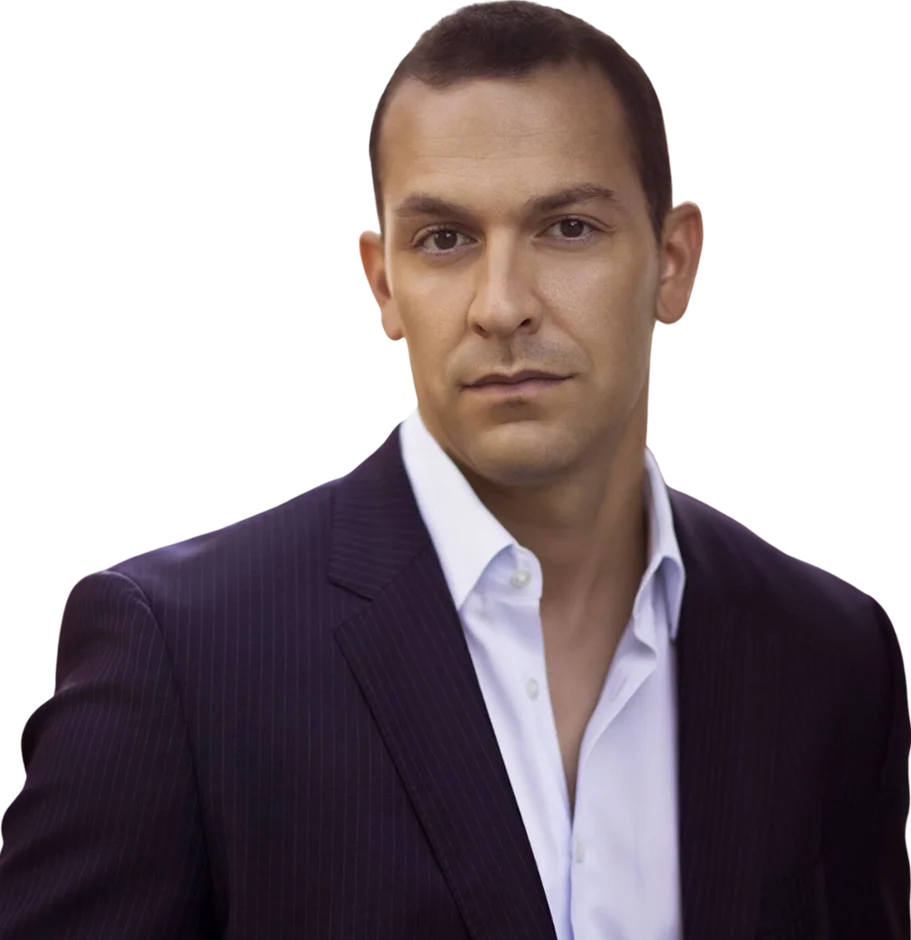
As a U.S. Marine veteran, Attorney Aaron Meyer understands the importance of strategic defense for service members. He has experience as a Marine Officer Judge Advocate and has worked in the Department of Defense’s busiest trial team, giving him personal experience with the military justice system. When your future is at stake, Aaron Meyer Law can provide the skilled representation and personal support you need.
Hire a UCMJ Article 91 Lawyer You Can Trust
Insubordinate conduct should not be taken lightly, as it can result in severe damage to your career and professional reputation. If you are under investigation or are facing charges, working with a UCMJ Article 91 attorney can help you build a defense that can mitigate the consequences of these charges on your future. Contact Aaron Meyer Law to set up a case consultation and learn how professional legal guidance can help you during a UCMJ Article 91 case.
Request A Free Consultation
Fields Marked With An “*” Are Required
"*" indicates required fields

4100 Newport Place
Suite 620
Newport Beach, CA 92660
Call Us Now
© Copyright 2026 Aaron Meyer Law • All rights reserved.

*Images are obtained under license from Canva and other third-party stock image providers, with attribution included where required.